West Blocton lies in Bibb County, southwest of Birmingham and east-southeast of Tuscaloosa, in a coal-mining area that attracted Italian workers during the late nineteenth century. Employment brought migrants into settlements where mines, housing and commercial activity developed together. Some Italians worked underground, while others ran shops serving the surrounding population. These were often small family businesses (“mom-and-pop stores”) whose customers included African Americans, to whom they also extended credit. Both occupations could be found within a single household: newspaper accounts of Elisabetta Castelli’s murder in 1902 describe her tending the family’s shop while her husband worked in a mine.
Catholic institutions helped families establish a more lasting presence in this industrial environment. Worship, schooling and burial gave the community places in which to maintain religious practices and relationships beyond the demands of employment.
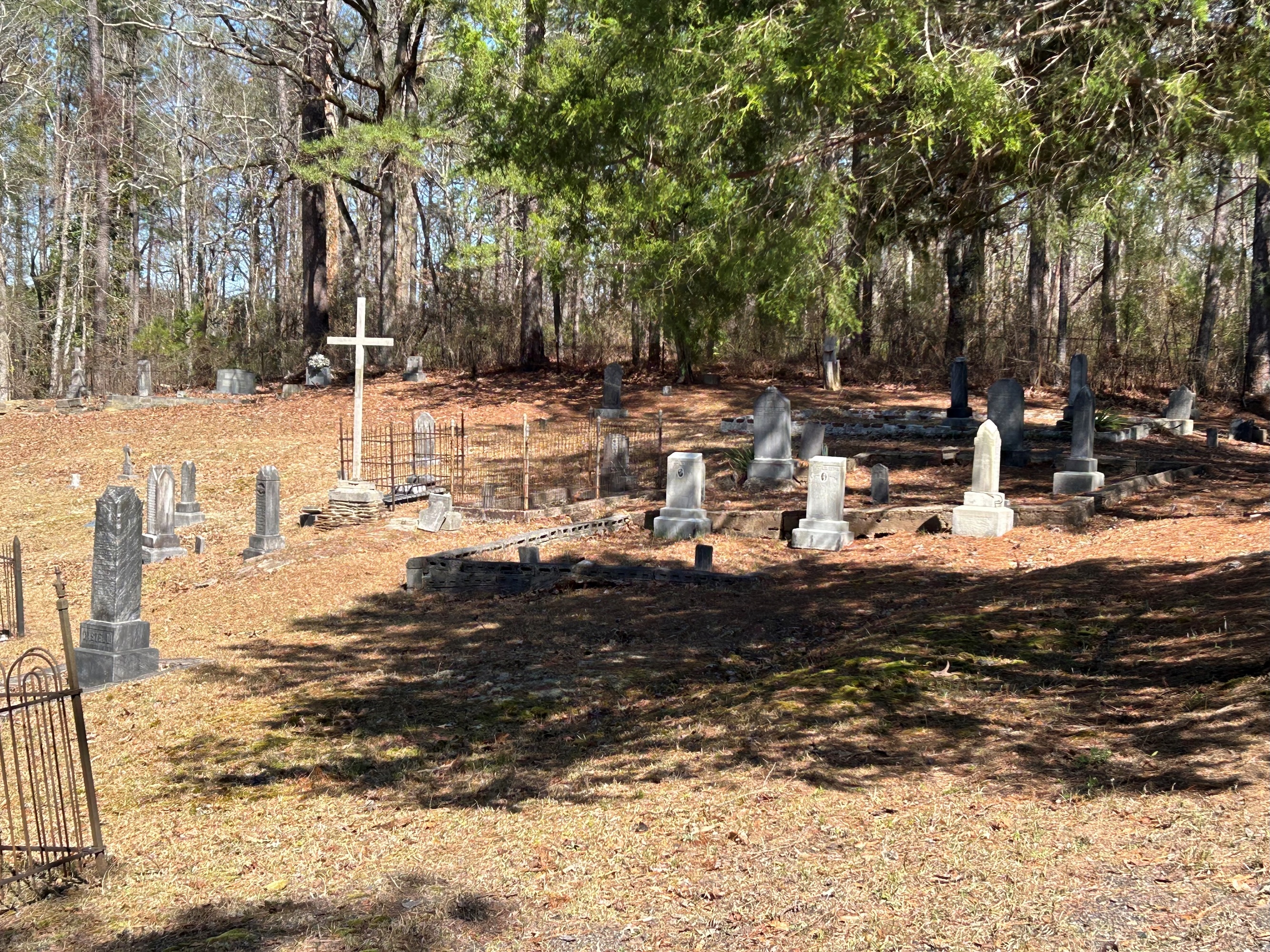
A central cross overlooks graves marked by monuments of different sizes and forms. Fences distinguish individual burial spaces within the grounds. The wider view places the inscriptions examined in this exhibition within a shared cemetery, where Italian family remembrance acquired a permanent place in Alabama.
St. Francis of Assisi on Gunlock Hill served the Catholic population of Blocton. In 1901, Reverend James S. Downs became the first resident priest, helping consolidate a mission that had developed with the arrival of workers and their families. His appointment gave parish life greater continuity. A room attached to the church provided living quarters, followed in 1903 by a two-story parish house and a school.
Benedictine sisters from the Sacred Heart Motherhouse in Cullman staffed the school, which the local history records as enrolling 125 students. The church therefore supported the education of children as well as the religious observance of adults. These institutions connected the population of a mining settlement with a wider Catholic network extending beyond Blocton.
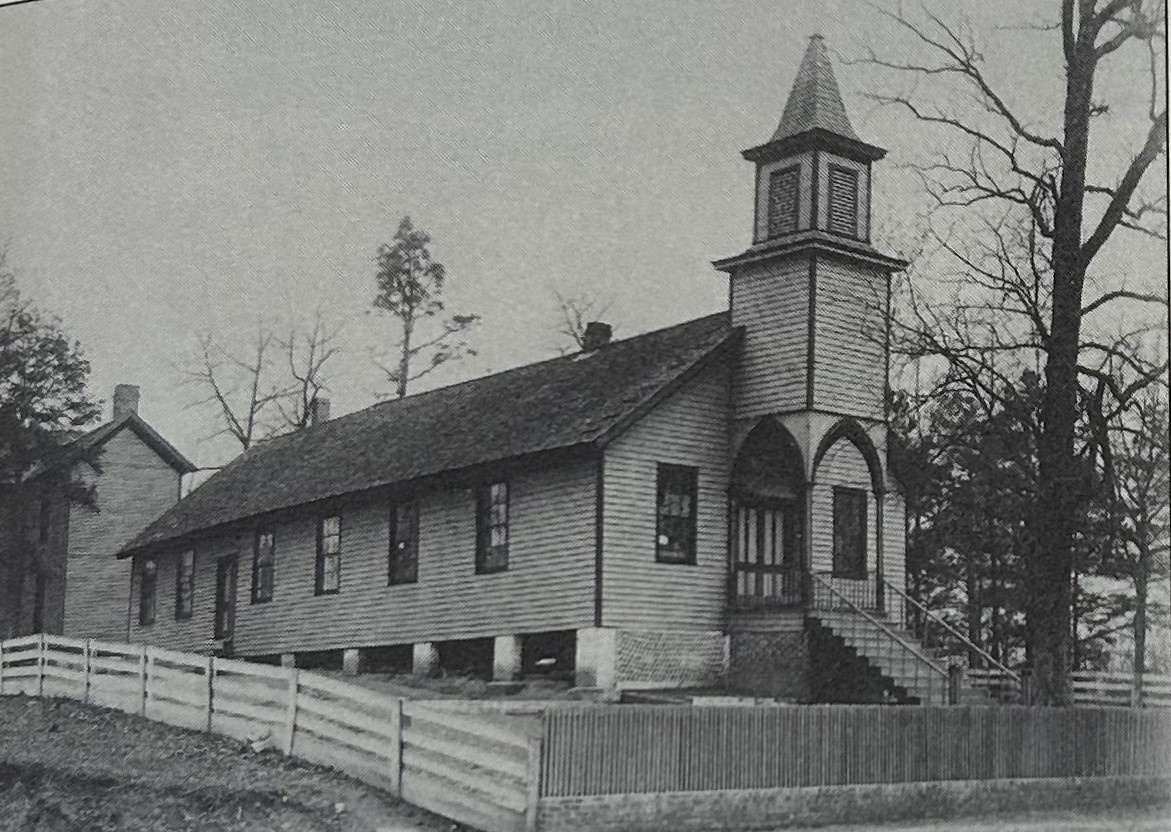
The church’s timber construction and bell tower identify a substantial Catholic presence in the mining community. St. Francis provided the setting for parish worship and the development of educational facilities. Its history helps explain the religious practices expressed in the cemetery’s requests for prayer and remembrance.
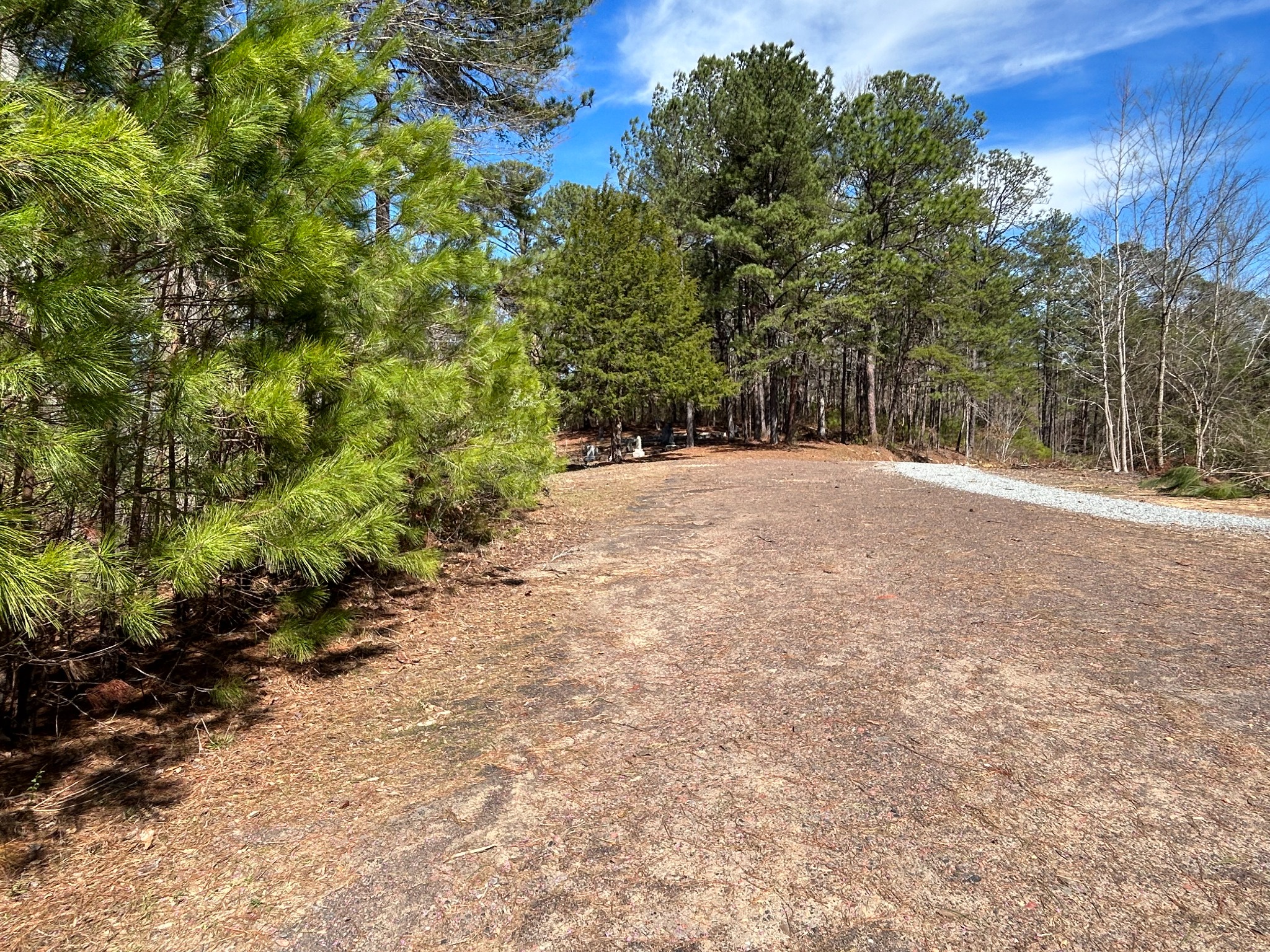
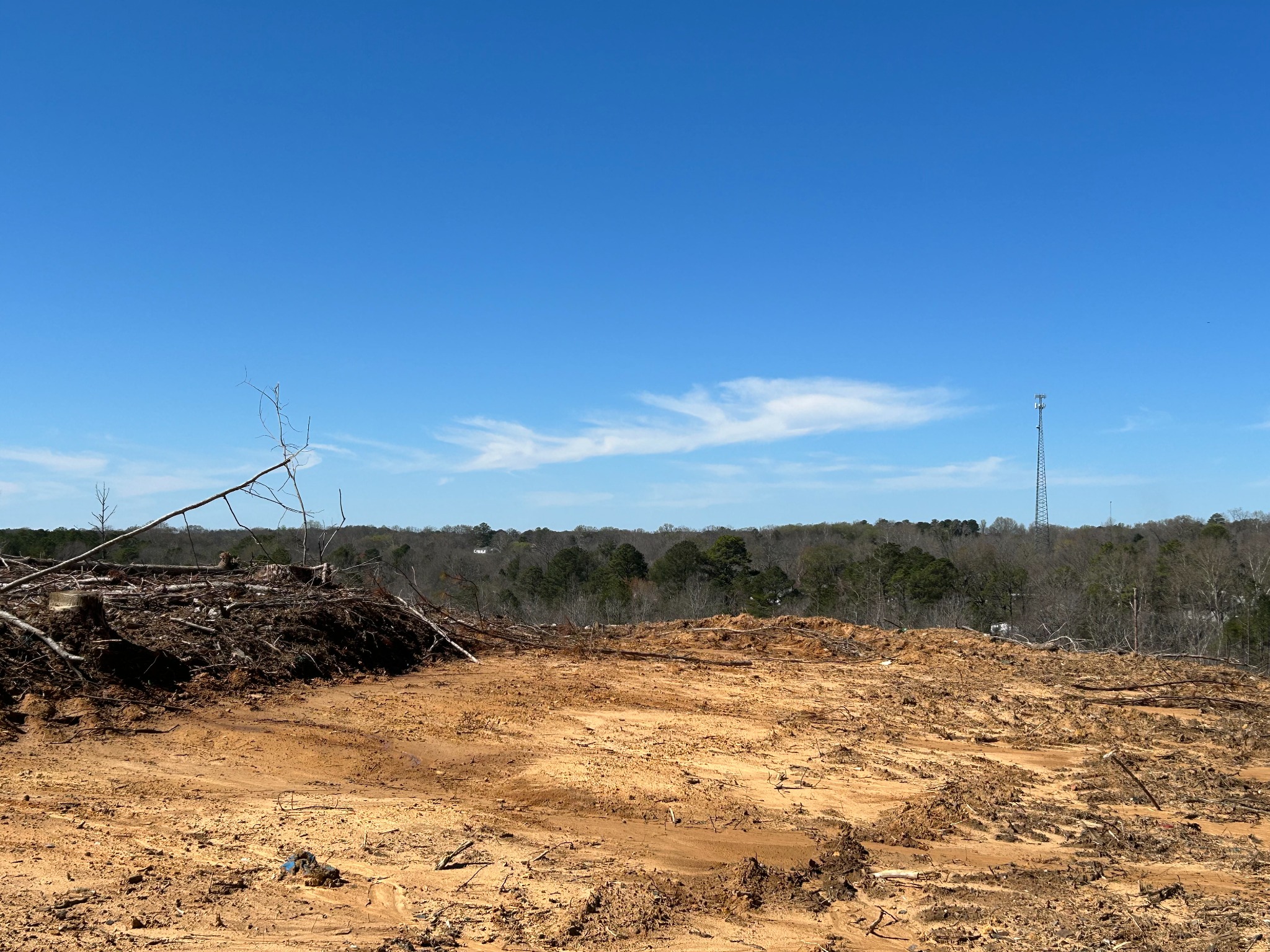
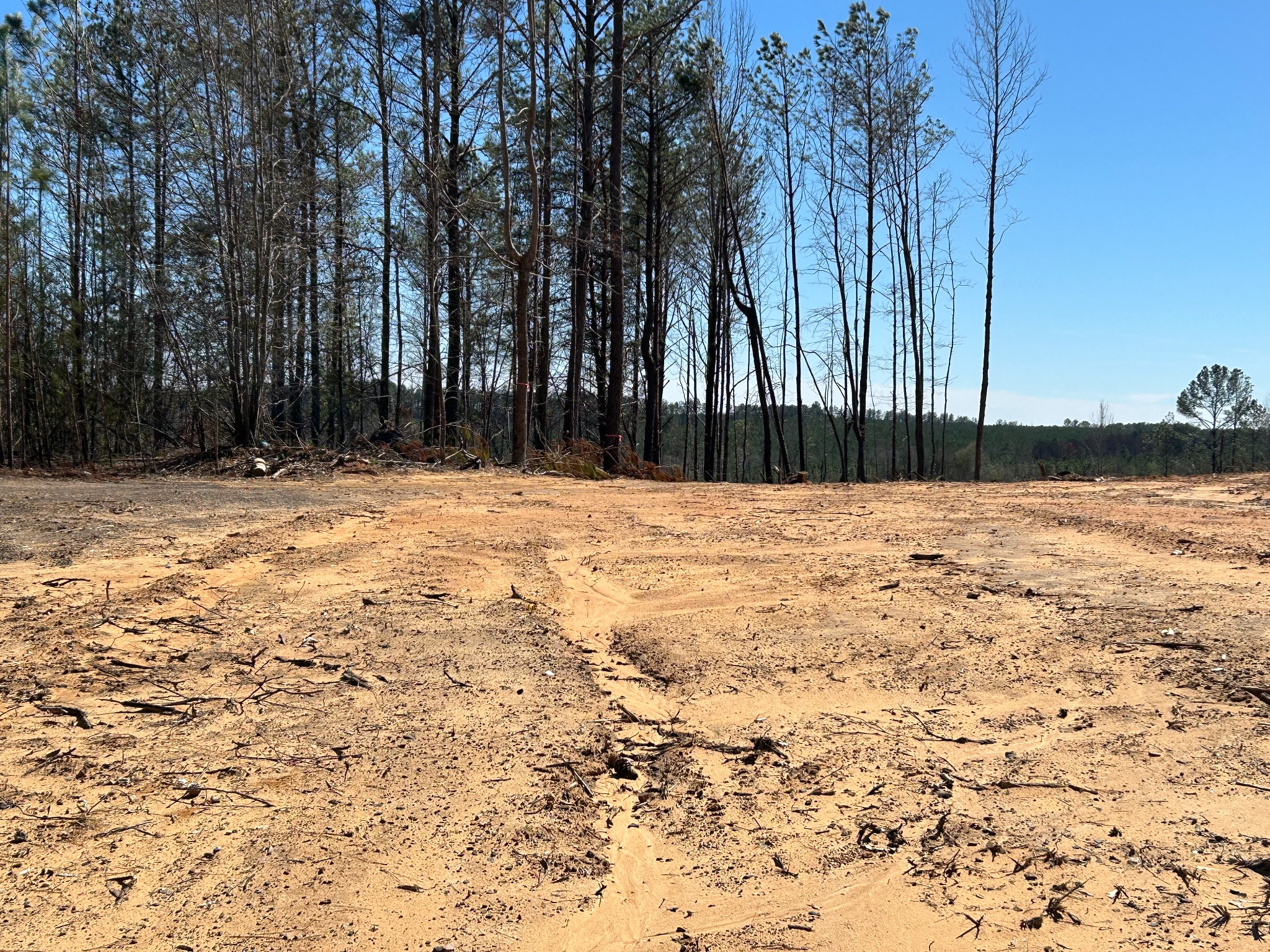
The church on Gunlock Hill remained in use for more than sixty years. A new church, dedicated to St. Thomas Aquinas, opened in West Blocton in 1950, and the parish closed in 1973. Today, nothing remains of the original church on Gunlock Hill: the site is now a cleared plateau in the woods. Of the Catholic presence established there at the turn of the century, only the cemetery survives, preserving the names of the men, women and children who belonged to that community.
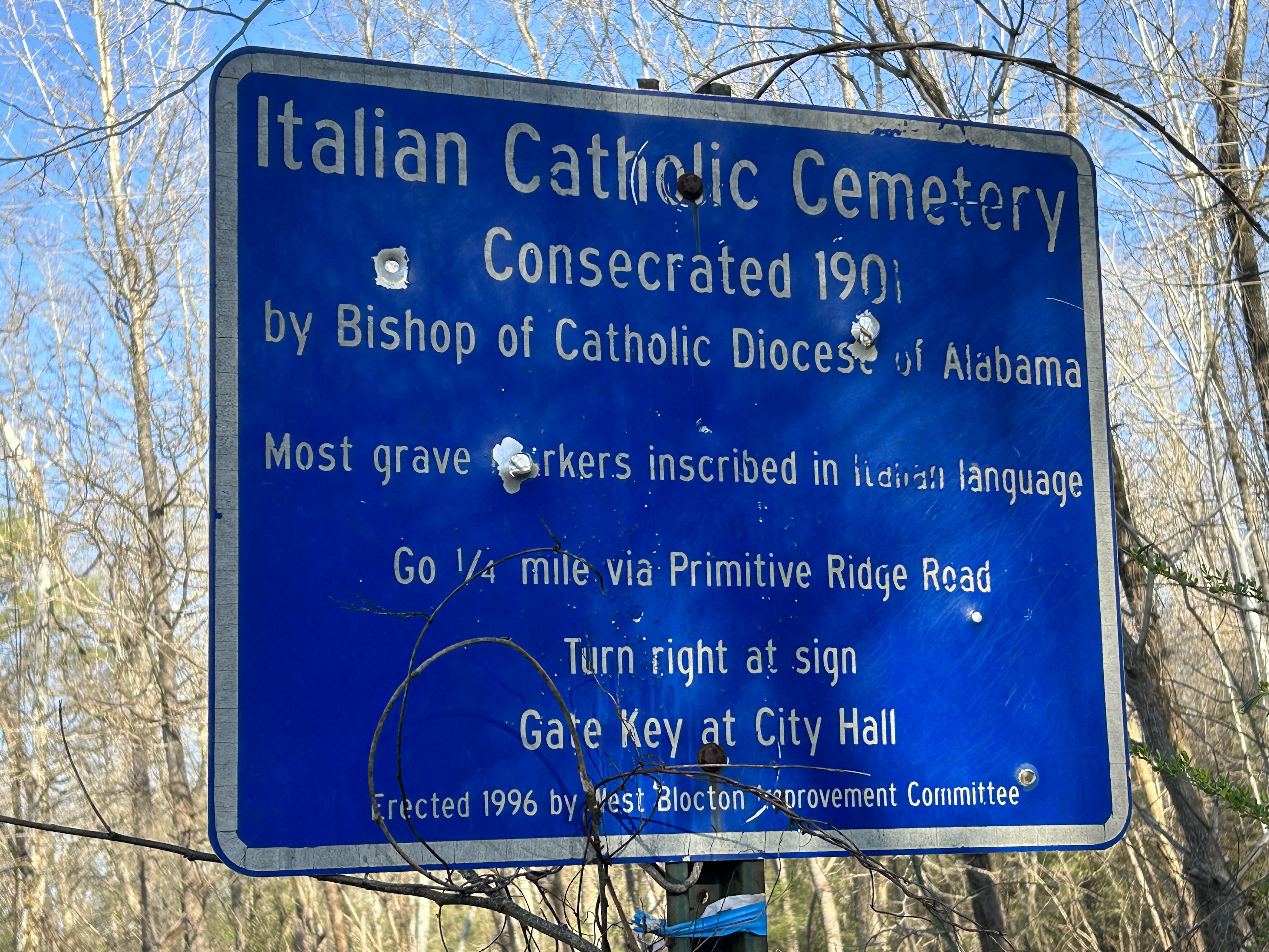
In 1996, the West Blocton Improvement Committee erected a historical marker near the cemetery, recording its consecration in 1901 and noting that most gravestones bear Italian inscriptions. A priest from Montevallo and sisters from Cullman took part in the rededication ceremony, renewing ties with the Catholic institutions that had served the mining community. The ceremony and marker made the burial ground part of the town’s public remembrance of its migrant population.


