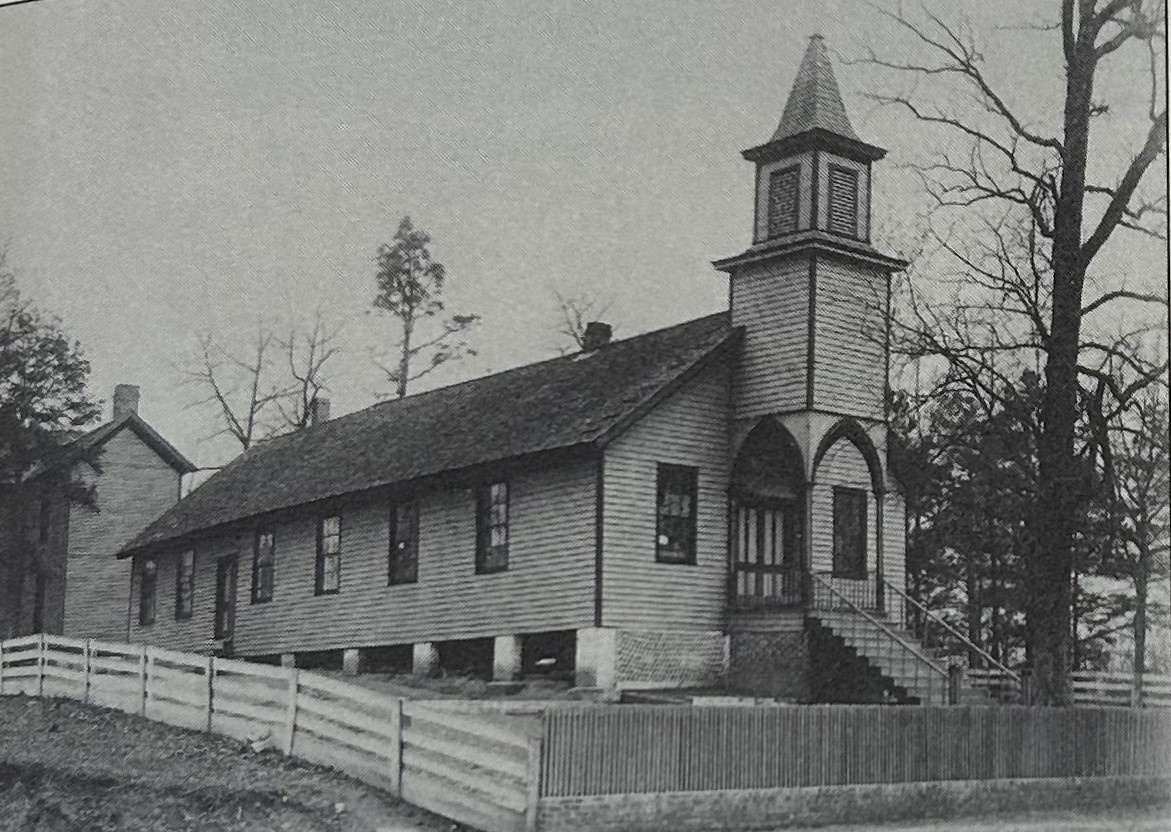
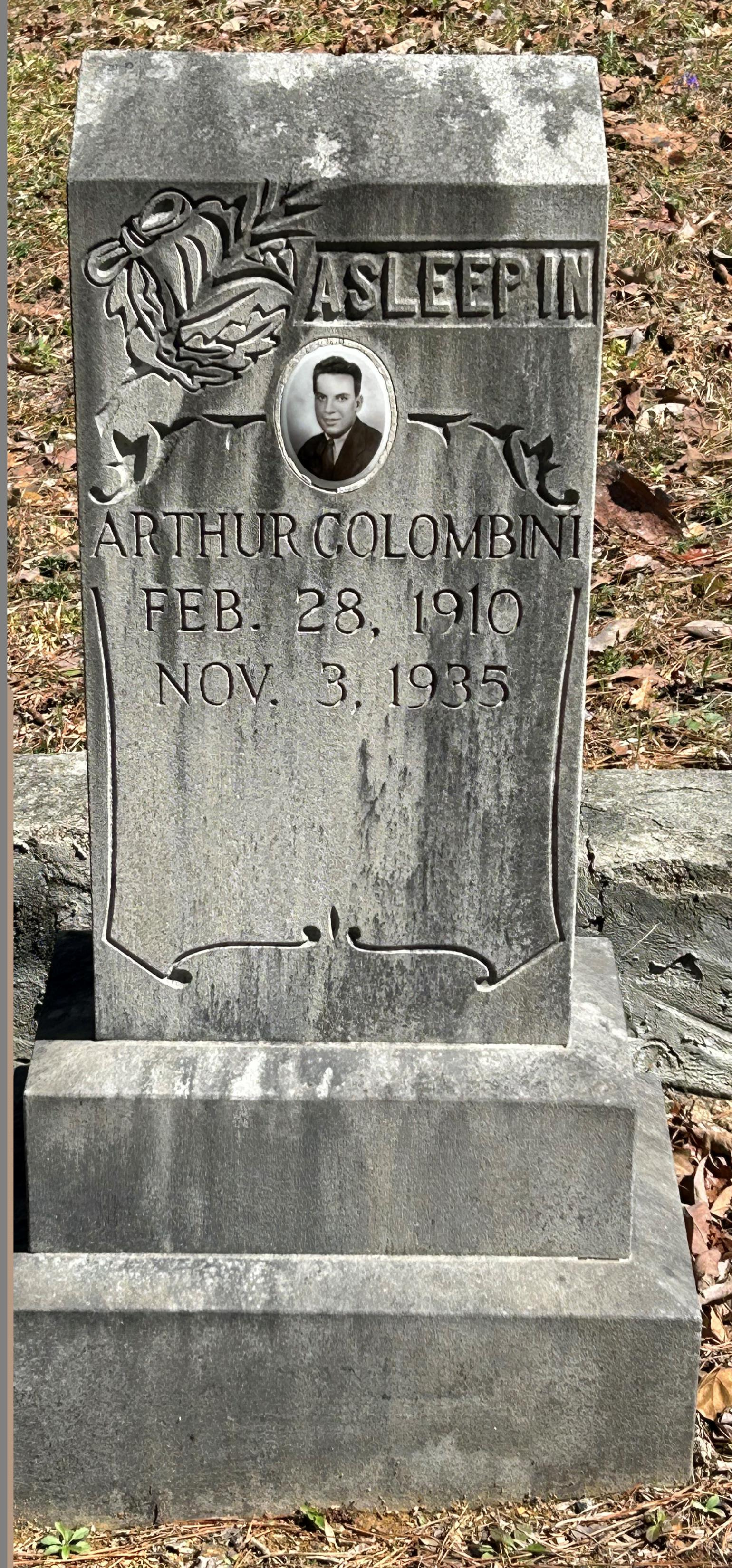
During the late nineteenth century, coal mining drew Italian workers and their families to central Alabama. West Blocton, southwest of Birmingham, developed into a thriving mining community in which Italians established homes, shops and Catholic institutions. Their cemetery on Gunlock Hill is a distinctive survival within the predominantly Protestant landscape of the Bible Belt. Its monuments can be read as documents in stone, preserving a material history of migration through the names, portraits and inscriptions that families chose to leave behind.
One account traces the cemetery’s origins to a reported refusal to bury an infant in a local burial ground at the beginning of the twentieth century. The incident is said to have prompted members of West Blocton’s Italian community to request their own cemetery from the bishop of Mobile. The circumstances of this refusal and the nature of any tensions between Italians and other residents remain unconfirmed. The cemetery’s consecration in 1901 nevertheless recognized the presence and religious needs of an established Catholic community in the mining district. Here, families commemorated their dead through inscriptions that named relatives, recalled places of birth and asked visitors to pray. Italian words and Catholic practices gave their remembrance a lasting place in Alabama.
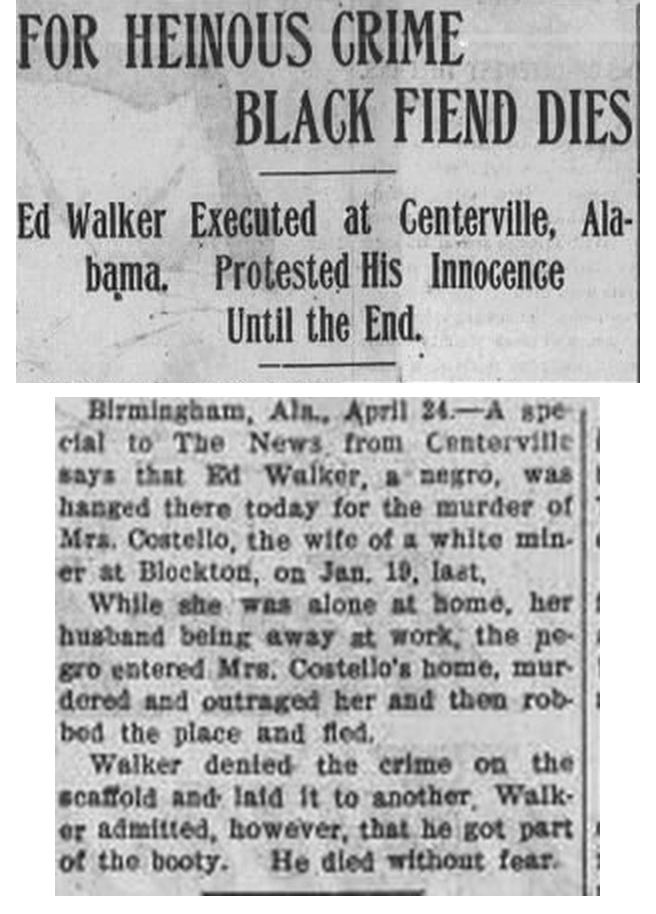
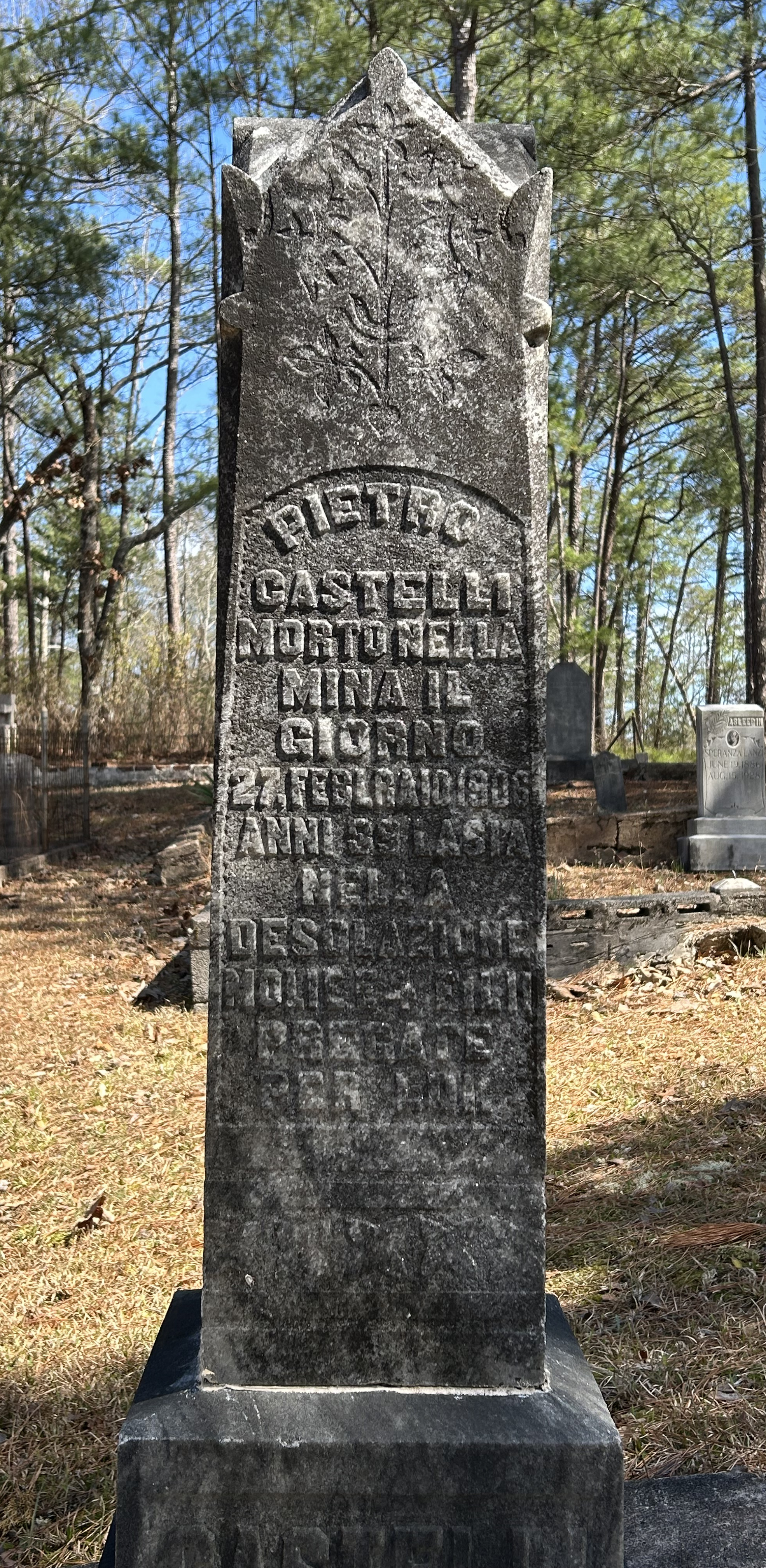
Among the stories these graves tell today, those of Elisabetta and Pietro Castelli, a young married couple who both died tragically, stand out. Elisabetta’s tomb commemorates her murder in 1902, for which Ed Walker, an African American man, was convicted and hanged in 1903. The racial accusation engraved on her monument and the newspaper coverage of Walker’s execution document the racial conflict surrounding the case in the segregated South. Her husband Pietro died in a mining accident in 1906, one of the deaths at work recorded on the cemetery’s monuments. News of his death also appeared in L’Italo-Americano, published in New Orleans far from the Alabama mining district. His name thus survives both in the family remembrance inscribed on his grave and in a newspaper report that brought the tragedy to Italian readers elsewhere in the Gulf South.