This online exhibition explores the Italian presence in Birmingham, Alabama, from the city’s rapid industrial expansion to the emergence of Italian migrant businesses, community networks and cultural expression.
Alabama, Italians, and the Rise of “Magic City”
At the beginning of the twentieth century, Alabama, the so-called Heart of Dixie, hosted the second-largest Italian community in the American South, after New Orleans, Louisiana.

First settling in Mobile, where they worked mainly in the cotton industry, most Italians were drawn to a rapidly growing city whose economy was based on ore mining and would soon become the Steel City of the South. Birmingham, Alabama, saw its population rise to 132,000 in 1910 and became the state’s main economic and financial hub, earning itself the nickname “Magic City.”
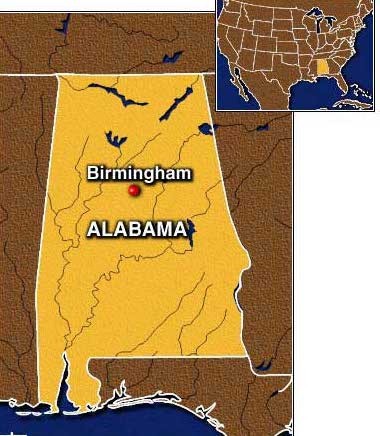
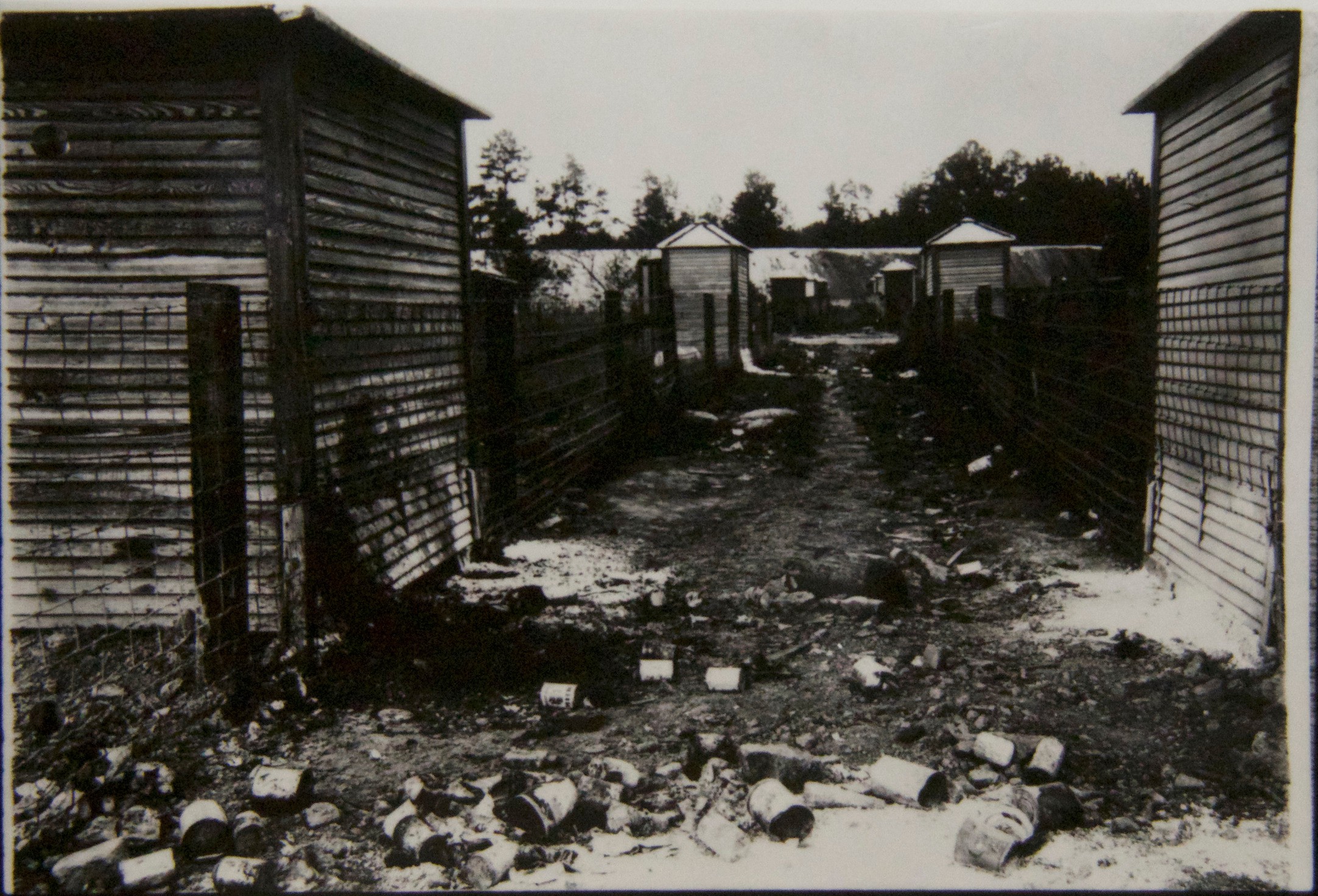
At the beginning of the twentieth century, a small community of Italians settled in Birmingham. Their integration was not easy. The state of Alabama was geographically at the heart of the seven Confederate states that believed in slavery as a common social and work practice. In this context, the very first Italian settlers in the area were often excluded from the ranks of the “desirable white race” and confined to shantytowns near the main mining sites, such as Bessemer, Ensley, and Thomas.
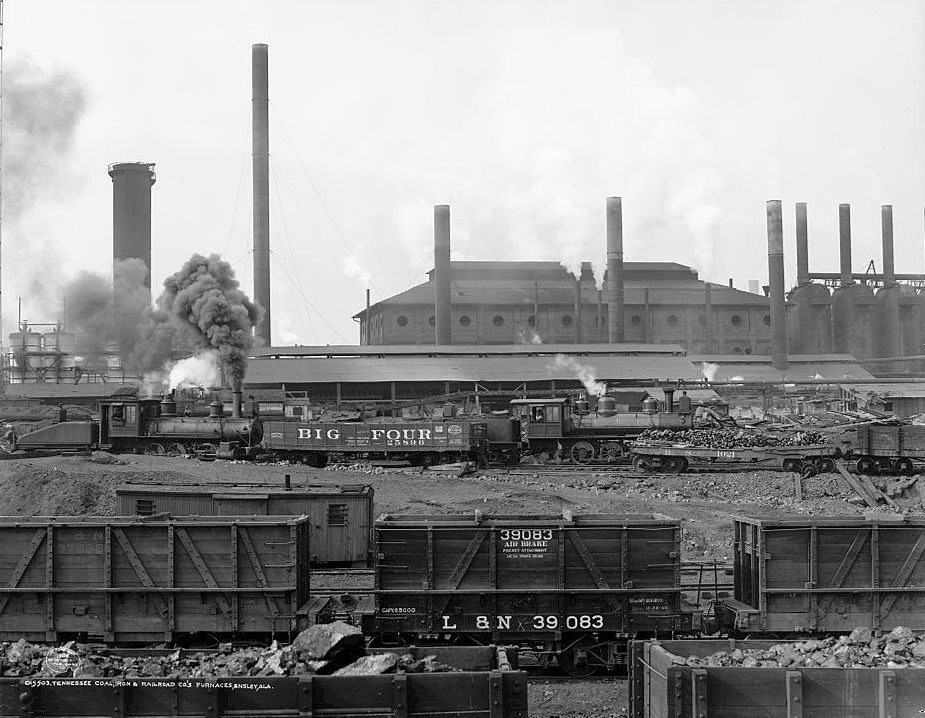
Most of these workers were sent to mines owned by the Tennessee Coal & Iron Company (TCI), while others were employed by the Republic Iron and Steel Co. In the mines, they endured backbreaking 10- to 12-hour shifts and were paid about 15 cents per hour. Women managed the household and entered the local economy only later, once their families opened a shop or grocery store.
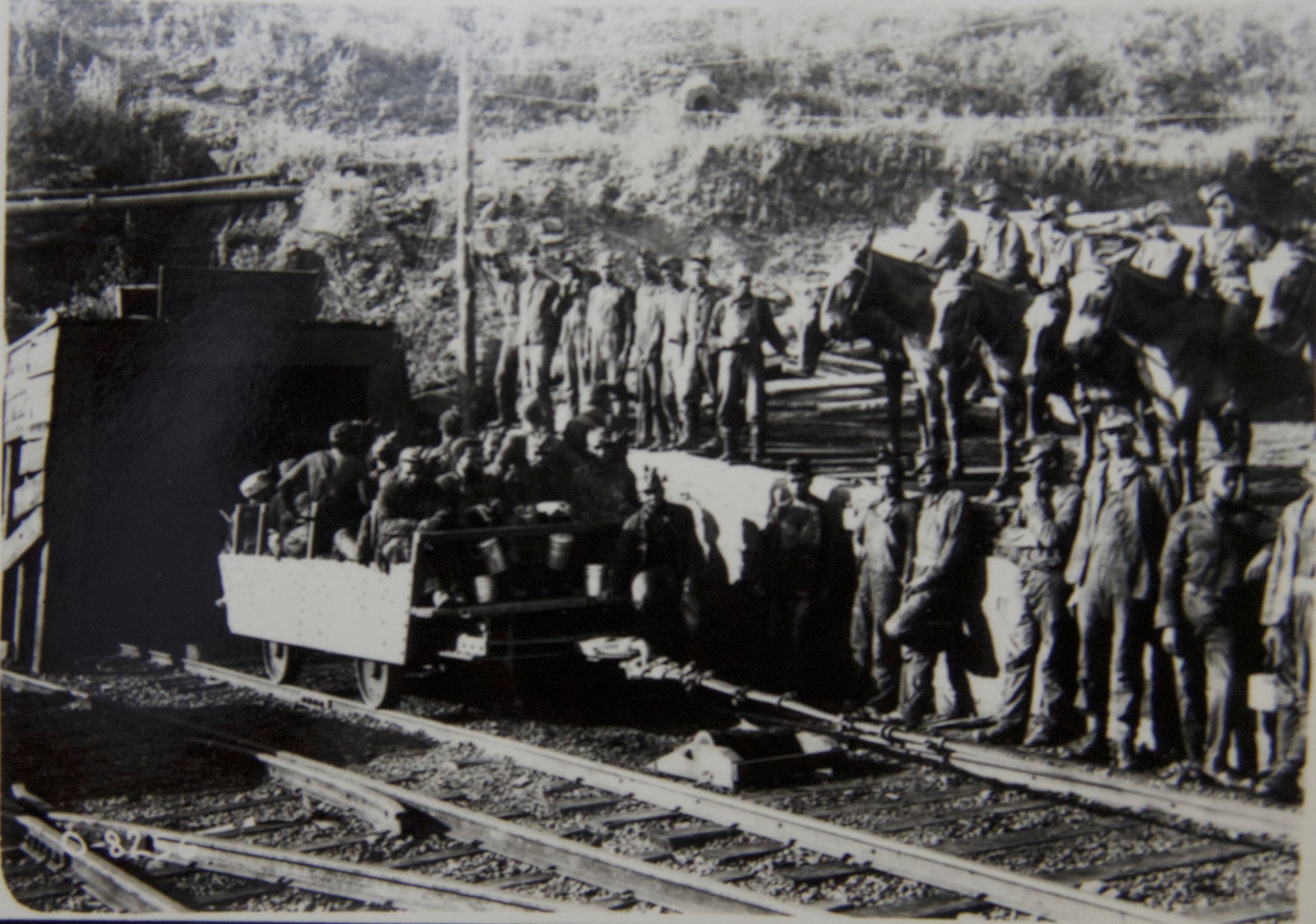
A large Italian community settled around the West Blocton mining site at the turn of the century. Most of these people moved to Birmingham around 1922, after the pits closed. A few years before, a Little Italy had been established in The Hollow, a small strip of hillside land situated right next to the iron ore mines. The members of this community had to endure numerous acts of open hostility from both white and African American residents. The sound of the word dago soon became eerily familiar to the Italian immigrants.



From Pickaxe to Shop Counter: Mobility, Credit, and Community Survival
To leave the tiring life of the mines, Italians in Birmingham began working as fruit peddlers and vendors. They purchased property and, subsequently, most of them established very successful family-run businesses, especially grocery stores (known as “Mom and Pop” stores). Their willingness to serve African American customers allowed Italian families in the Birmingham District to climb the social ladder: by offering credit to other marginalized groups, who were often not allowed to buy goods at other white stores, Italian families could count on a steady, significant income.

Even though they represented less than 1% of the total population of the state of Alabama (2,160), the Italians of the Birmingham District thus prospered and gained a significant role within the social fabric of the Magic City, which, after the rapid growth of its steel industry, became known as the Pittsburgh of the South.